The Science of Morning vs. Evening Workouts: When Your Body Actually Performs Best
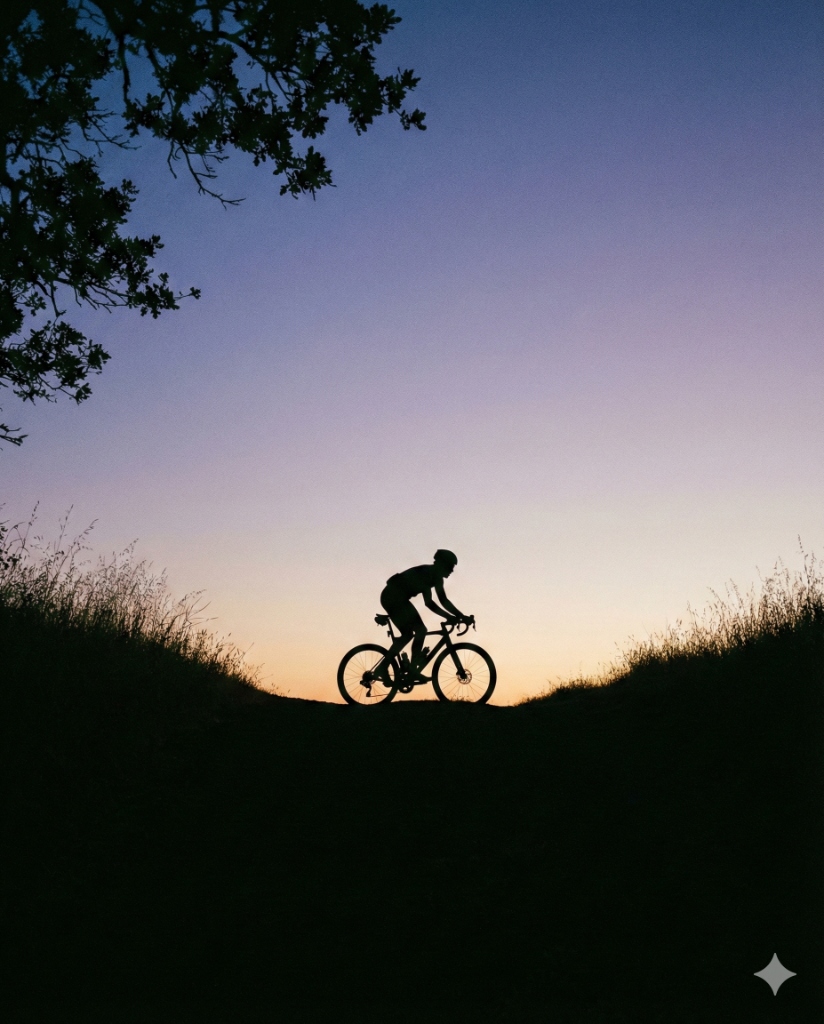
Ask any group of outdoor athletes about the best time to work out, and you’ll start an endless debate. Morning people swear by sunrise runs. Evening exercisers claim they’re stronger and faster in the afternoon.
Both groups have research supporting their position—because the truth is more nuanced than either extreme. The optimal workout time isn’t just about preference; it's about biology.
Your Body’s Built-In Performance Clock
Your circadian rhythm regulates everything from hormone release to body temperature.
- Core body temperature peaks in late afternoon (4-6 PM). Warmer muscles contract more efficiently and are more flexible, reducing injury risk while improving power output.
- Lung function follows a similar curve. Airways are most open in the late afternoon.
- Testosterone surges in the morning. Potentially advantageous for muscle building, though evidence is mixed.
Morning Workouts: The Unexpected Advantages
Despite the biological case for afternoon exercise, mornings have distinct benefits:
- Consistency wins. Morning exercisers have better long-term adherence. Nothing "comes up" at 6 AM.
- Mental clarity. Endorphin release improves cognitive function for the workday.
- Better weather. Summer mornings are significantly cooler with less UV exposure.
Evening Workouts: When Performance Actually Peaks
If you’re chasing pure performance—fastest times, highest power output—the research favors late afternoon.
- Muscle strength peaks. Studies show 5-10% greater strength between 4-7 PM.
- Perceived exertion is lower. The same pace feels easier in the afternoon than the morning.
- Reaction time improves. Critical for technical trail running or cycling.
The Temperature Variable Nobody Talks About
Here’s the catch: your body might be primed for 5 PM, but the environment might not be.
"You might be physiologically primed for peak performance at 5 PM, but if it’s 95°F with 80% humidity, your body’s cooling system can’t keep up."
A 6 AM run might mean you’re 5% less powerful biologically, but if it’s 20 degrees cooler, performance will be higher due to thermoregulation efficiency.
The Practical Truth
The science suggests:
For endurance: Morning works well (cooler temps offset circadian disadvantage).
For power/speed: Late afternoon is optimal—if weather permits.
Ultimately, the best time is the one you can stick to.