The UV Index Myth: Why “Moderate” Radiation Can Still Destroy Your Training
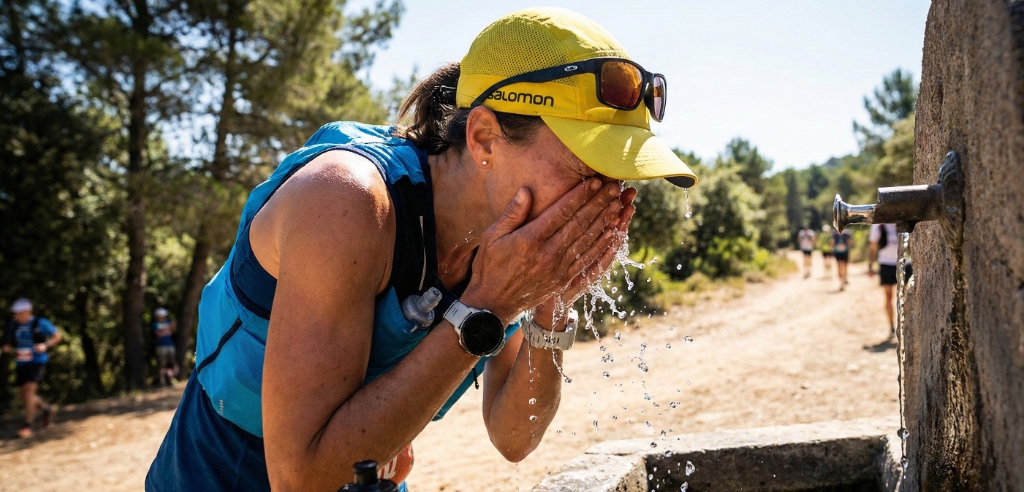
You checked the UV Index: 4. "Moderate." Safe enough, right? Three hours later, your shoulders are pink.
The UV Index isn’t lying—but it’s also not telling outdoor athletes the whole truth. That “moderate” rating assumes 30 minutes of exposure, not the 2-3 hour slogs that endurance training demands.
What the UV Index Actually Measures
The scale translates radiation intensity at solar noon into simple advice:
- UV 3-5 (Moderate): Safe for 30 minutes.
- UV 6-7 (High): Protection needed. Burn in 15-30 mins.
But UV damage accumulates. If UV Index is 4 and you’re outside for two hours, you’re experiencing roughly four times the “moderate” exposure.
- 30 mins at UV 4: Minimal damage.
- 180 mins at UV 4: Equivalent to "Very High" cumulative dose. DNA damage accumulates.
Why Outdoor Athletes Face Higher Risk
- Elevation: UV increases 10-12% for every 1,000ft gained.
- Reflection: Concrete reflects 10%, Sand 15%, Water 25%.
- Sweat Factor: Most sunscreen loses effectiveness after 40-80 minutes of sweating.
The Performance Cost
UV damage isn't just about skin cancer risk—it impairs performace now.
Acute inflammation from sun exposure contributes to specific fatigue. Dehydration accelerates under UV
stress even at the same temperature.
How to Actually Protect Yourself
- Reapply every 60-90 minutes. Carry a small tube or stick.
- Mineral over Chemical. Zinc oxide doesn't break down as fast in sweat.
- Timing is everything. 6-8 AM is the only true "Low Risk" window for long events.
"One sunburn is painful, but the greater danger is cumulative exposure. Years of 'moderate' UV days add up to hundreds of hours of radiation."